The Ultimate Storage Unit Size Guide: From 5x5 to 20x20
Choosing a storage unit gets much easier once you stop thinking only in terms of labels like small, medium, and large. A 5x5 unit provides 25 square feet of floor space, while a 10x20 provides 200 square feet. That difference affects what you can store, how much room you have for furniture, and whether you can leave an aisle for access.
Unit availability varies among our properties, so it’s important to check what’s offered at the location you’re considering. Our storage options in your area provide a starting point for comparing locations and currently available spaces before deciding which dimensions make sense.
Storage unit sizes at a glance
A 5x5 storage unit provides about 25 square feet of floor space and works well for boxes, small furniture, seasonal belongings, and other household overflow. Moving up to a 5x10 gives you about 50 square feet, with more room for mattresses, furniture, packed boxes, and belongings from a small room.
A 10x10 provides approximately 100 square feet and can accommodate multiple pieces of furniture, appliances, and a larger collection of packed household belongings. A 10x15 increases that to roughly 150 square feet, which gives you more room for larger household storage projects, moving, or remodeling.
A 10x20 provides about 200 square feet and works for substantial furniture collections, appliances, packed boxes, or business inventory. A 10x30 and a 15x20 each provide approximately 300 square feet, though their different dimensions affect how furniture, shelving, equipment, and boxes can be arranged.
A 20x20 storage unit provides about 400 square feet of floor area. This amount of space is better suited to very large household or business storage projects where a significant amount of floor space is needed. These examples are planning guidelines rather than capacity guarantees. Furniture dimensions, box sizes, shelving, irregularly shaped belongings, and the amount of open access space you leave inside the unit all change how much will actually fit.
5x5 storage unit: dimensions and what fits
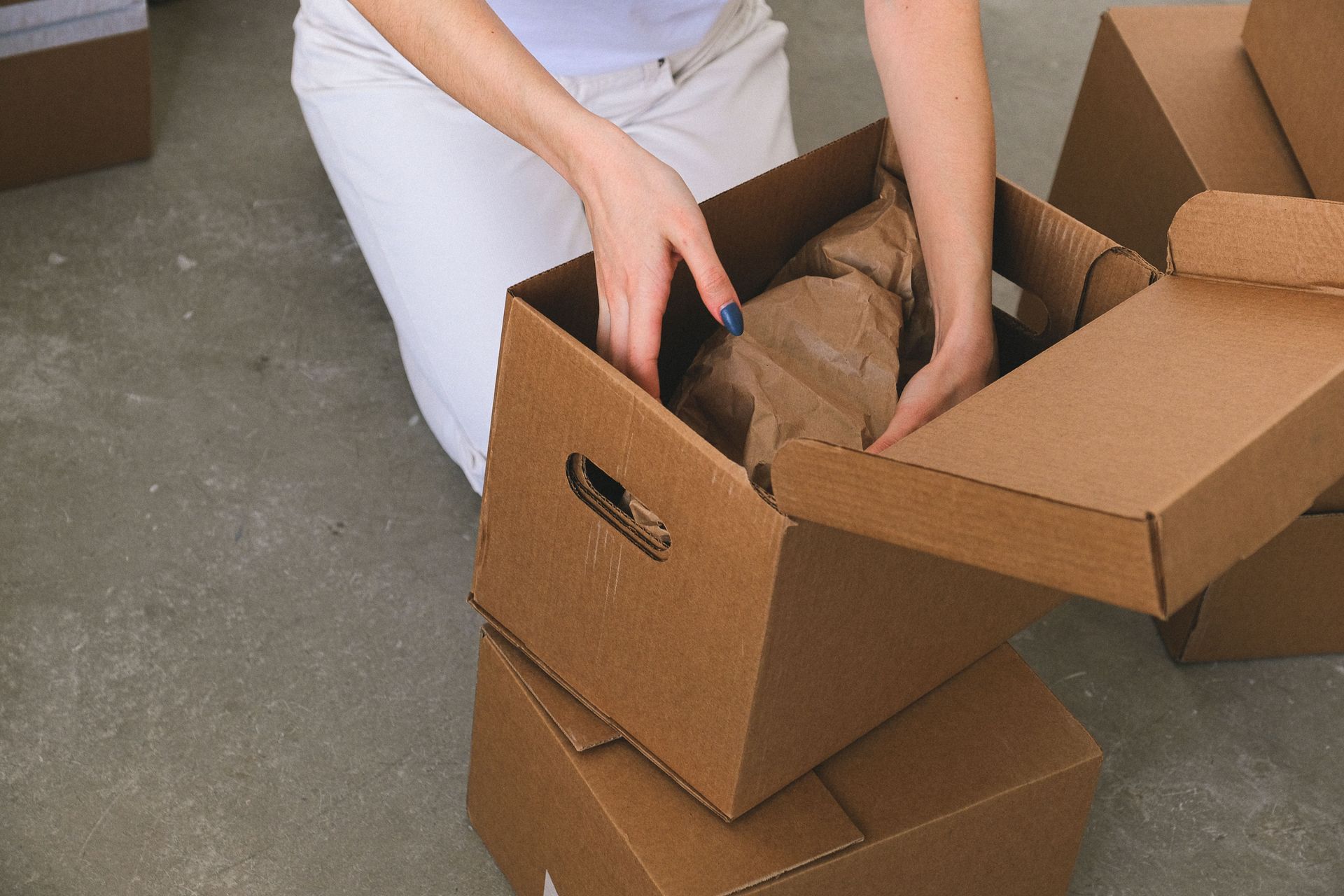
A 5x5 unit measures about five feet wide by five feet long, giving you 25 square feet of floor space. It’s the smallest size in this guide and works best when you need to store belongings rather than the contents of an entire household. Think in terms of packed boxes, seasonal decorations, small pieces of furniture, tools, or belongings removed from a closet or spare room. Using sturdy stackable boxes makes better use of the vertical space than spreading small containers across the floor. A 5x5 also works when the goal is to free up a specific part of the house rather than empty several rooms. If your inventory includes several large pieces of furniture, move up a size instead of planning around an extremely tight fit.
5x10 storage unit: dimensions and what fits
At approximately five feet by ten feet, a 5x10 unit has 50 square feet of floor space. It has twice the floor area of a 5x5 while retaining the narrower five-foot width. That extra length gives you more flexibility for mattresses, disassembled furniture, boxes, shelving, and household belongings. It can also make sense during a smaller move when you have more than closet overflow but don’t need the square footprint of a 10x10. Packing technique starts to matter at this size. Keep heavy boxes low, take apart furniture when practical, and avoid filling every open space if you expect to retrieve belongings before moving everything out.
10x10 storage unit: dimensions and what fits
A 10x10 provides about 100 square feet of floor space. The square layout gives you more options for arranging furniture, appliances, packed boxes, and other household belongings than a narrow unit with similar depth. This size can work well for a move, renovation, or a substantial decluttering project. Instead of judging the space by the number of rooms in your home, make an inventory of the actual items going into storage. A sparsely furnished home and a heavily furnished one can require very different amounts of space. If some belongings are sensitive to temperature or humidity, unit size isn’t the only consideration. Our guide to frequently asked questions about climate-controlled storage explains what to consider before choosing between available storage types.
10x15 storage unit: dimensions and what fits
A 10x15 unit contains about 150 square feet of floor space. The additional five feet of length compared with a 10x10 becomes useful when you have bulky furniture, appliances, packed boxes, or belongings from several areas of a home. This is also where leaving an aisle becomes more practical. If you’ll need something before move-out day, place it toward the front and create a narrow route through the unit rather than packing from wall to wall. Before renting, measure the largest pieces you intend to store. A simple inventory with approximate furniture dimensions is more reliable than choosing a unit based solely on how many bedrooms your home has.
10x20 storage unit: dimensions and what fits
A 10x20 unit provides roughly 200 square feet of floor space. Its rectangular footprint gives you considerable room for large furniture, mattresses, appliances, stacked boxes, shelving, equipment, or business supplies. Large units benefit from a loading plan. Put belongings you won’t need for a while toward the back, keep frequently accessed boxes toward the front, and avoid burying labels against walls.
At select Partners Self Storage facilities, drive-up units let customers pull a vehicle close to the unit door. That setup is particularly useful for bulky furniture, appliances, tools, and other heavy belongings. Drive-up availability should be confirmed for the individual property before you rent.
10x30 storage unit: dimensions and what fits
At approximately ten feet by thirty feet, this size has 300 square feet of floor area. The long footprint provides room for substantial household storage, large furniture collections, equipment, or business inventory. Organization matters more as the unit gets deeper. Thirty feet of depth leaves plenty of opportunity for a needed box to end up behind everything else, so create zones before loading. Keep related belongings together and make labels visible from the aisle. A simple sketch can help before moving day. Mark where large furniture, appliances, shelving, and frequently needed boxes will go, then load the unit in roughly that order.
15x20 storage unit: dimensions and what fits
A 15x20 also provides 300 square feet, but its proportions differ from a 10x30. Instead of a long, narrow rectangle, the wider footprint can change how furniture, shelving, equipment, and boxes are arranged. That distinction is easy to overlook when comparing units based only on square footage. Two units with the same floor area don’t necessarily function the same way once large objects are inside.
Measure wide or awkward pieces before choosing between layouts. The shape of your inventory can matter almost as much as its total volume.
20x20 storage unit: dimensions and what fits
A 20x20 unit contains about 400 square feet of floor space. It’s the largest size covered here and is suited to storage projects involving a substantial quantity of furniture, boxes, equipment, or inventory. With a space this large, resist the temptation to fill the floor first and organize later. Establish aisles and zones from the beginning. Otherwise, the usable capacity may be high, but retrieving a single item can require moving a large portion of the unit. Large spaces also make an inventory especially useful. Number boxes, record their contents, and note the general section where each group is stored.
What does a storage unit cost?
There isn’t a single responsible price to quote for any of these sizes. Rates depend on the specific property, available inventory, unit type, and current pricing. Not every size in this guide is necessarily offered at every Partners Self Storage location. For that reason, use dimensions to narrow your choice first, then check the facility page for current availability and pricing. This avoids planning around a rate or size that may not apply to the property you need.
How to choose the right size
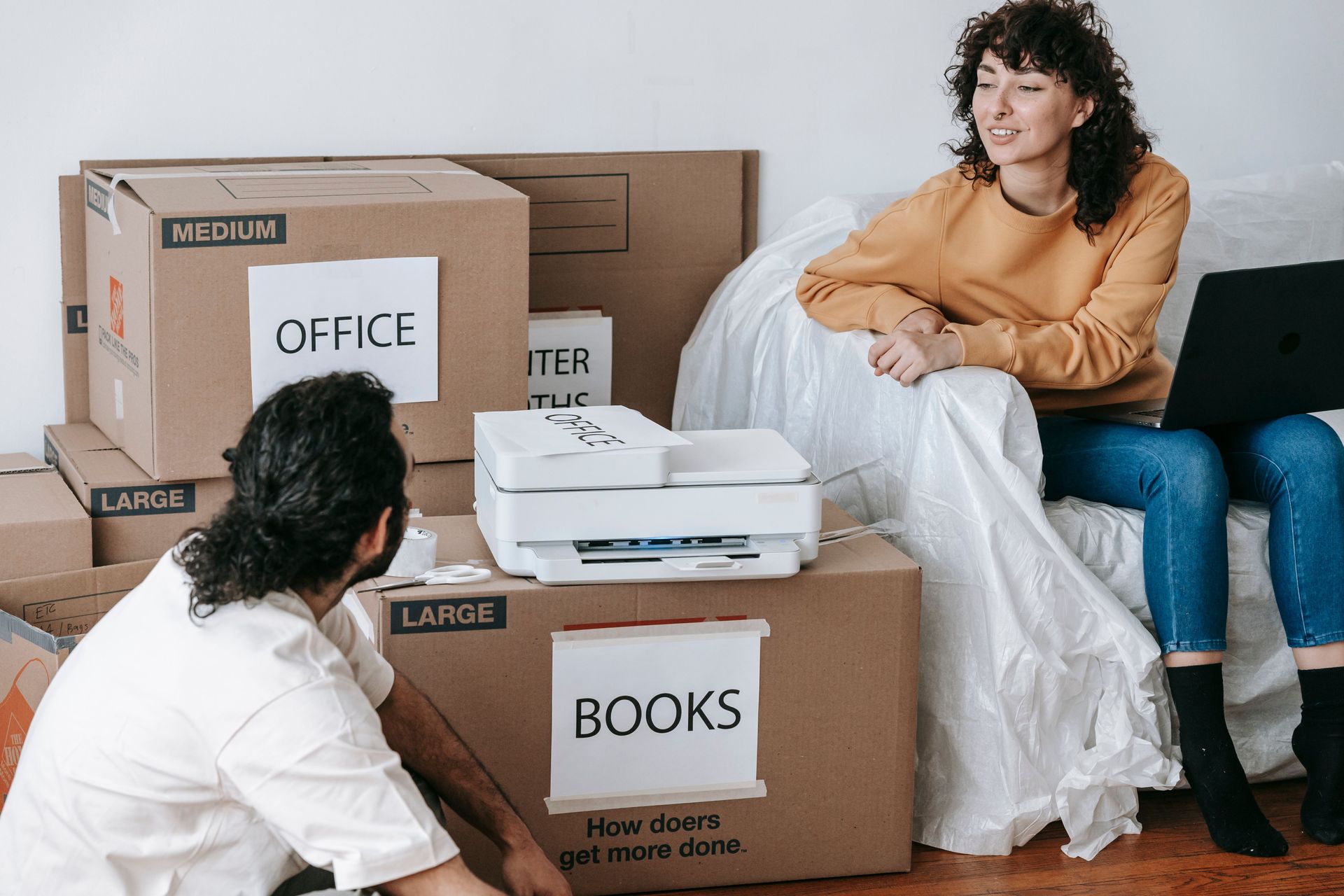
Start with what you’re actually storing. Make a rough inventory and measure large pieces such as sofas, tables, mattresses, appliances, cabinets, or equipment. If furniture can safely be disassembled, record its packed dimensions rather than its assembled size.
Next, decide whether the unit is simply a holding space or somewhere you’ll visit regularly. Long-term items can be packed more densely. If you expect regular access, reserve enough room for an aisle and keep frequently used belongings near the door. Our packing tips for moving are useful before estimating space because properly packed and consistently sized boxes are easier to stack and organize.
Choose space based on what you need to store
Square footage gives you a useful comparison, but the best fit comes from matching the dimensions to your actual belongings. A carefully packed smaller unit may work better than a larger unit filled without a plan, while bulky or irregular furniture can justify moving up a size sooner than the numbers suggest. Availability and features differ by property, so you can
explore
storage options from Partners Self Storage and compare the locations and spaces currently offered before settling on a size.