Why Choose Climate Controlled Storage
What is Climate Controlled Storage?
Climate controlled storage is a storage option for belongings that need steadier conditions than a standard drive-up storage unit can provide. Instead of exposing stored items to the full effect of outdoor weather swings, these units help reduce the impact of heat, cold, and humidity. That matters for items made from wood, paper, fabric, leather, or electronics because those materials can react over time. Partners Self Storage offers climate controlled storage at select facilities, including Kingstown Storage in Chestertown, MD.
Some belongings can handle ordinary storage conditions without much concern, but others need more care. A box of garden tools and a box of family photos should not be treated the same way. Documents, electronics, furniture, antiques, artwork, and keepsakes are more vulnerable to moisture and changing temperatures, especially during longer storage periods. Climate controlled storage gives those items a more suitable place to sit when a garage, attic, shed, or standard unit may not be the best choice.
When You Should Choose Climate Controlled Storage
Choose climate controlled storage when the condition of the item matters just as much as having space for it. Wood furniture, leather chairs, framed photos, books, files, and electronics can all suffer when stored in places that get too hot, too cold, or too humid. The damage may not show up right away, but warping, mildew, cracking, fading, and corrosion can develop over time. If replacing the item would be expensive or impossible, climate control is worth considering.
Climate control also makes sense when your storage timeline is uncertain. A short move can turn into several months if a closing date changes, a renovation runs behind, or a new space is not ready. Sensitive belongings are more likely to experience wear when they sit through seasonal changes. A unit with steadier conditions can be the safer choice when you do not know exactly how long storage will last.
Business customers may also need climate controlled storage for records, displays, electronics, samples, or office materials. Paper files can absorb moisture, product samples can lose quality, and equipment may not handle fluctuating conditions well. A climate controlled unit can help keep those items in better shape until they are needed again. For business or household items that are not sensitive to weather changes, regular storage may still be the more practical option.
What's the Difference Between Climate Controlled Storage and Regular Storage?
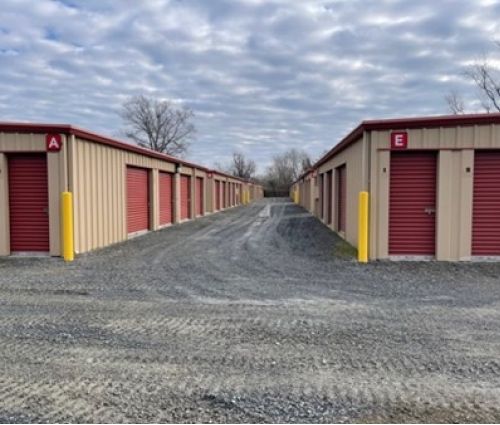
Regular storage gives you secure space for belongings that can tolerate normal storage conditions. It works well for items such as lawn tools, vehicles, plastic storage tubs, outdoor gear, metal shelving, patio items, and other sturdy materials. It may also be more convenient when you need exterior access for heavier items or frequent loading. For that kind of use, drive-up storage can make more sense than an interior climate controlled unit.
Climate controlled storage is more selective. It is meant for items that can lose integrity when they sit through temperature swings or moisture exposure. Wooden furniture can expand and contract, paper can curl or weaken, and electronics can be affected by condensation or corrosion. Artwork, photographs, antiques, instruments, and upholstered pieces usually deserve more protection than a basic storage space can offer.
The easiest way to decide is to look at the material, value, and storage length. If the item is sturdy, easy to replace, and stored for a short period, regular storage may be enough. If it is delicate, expensive, sentimental, or stored through more than one season, climate control is the safer route. Some customers split their belongings between unit types so everyday items stay in regular storage while sensitive items go into climate control.
Climate Controlled Storage at Partners Self Storage
Partners Self Storage offers climate controlled storage at Kingstown Storage in Chestertown, MD, where customers can rent units for furniture, electronics, documents, and other belongings that need a more controlled setting.
